


Business Activities
Comprehensive Diagnostics | Rare Disease Treatment | Regenerative Medicine | Medical Aesthetics
Overseas Consultation | Overseas Emergency Treatment | Medical Staffing | Medical Equipment Sales


MEDICAL EXAMINATION
Medical Examination

GLOME's Strengths
Strict screening of partners
In accordance with the screening process for listed companies, we conduct a rigorous pre-screening committee that examines the background, treatments, word of mouth, and financial situation of our partners.
Extent of medical network
We have partnerships with all medical institutions in Japan that are conducting inbound business.
Diverse and flexible medical options
In addition to health checkups, we also offer a wide range of other medical services, providing a variety of options for our patients.
Speedy and accurate response
Our extensive experience allows us to quickly select the hospital that best suits your needs, and we can also review your medical plan more quickly.
Health Checkup Process
Inquiry
One-on-one support from a specialized team
Consulting
Reservations are prioritized
Appointment Confirmation
Confirm details and make payment
Health Checkup Plan
Planning your visit to Japan and preparatory guidance
Medical Examination in Japan
Shuttle service and professional interpreter available
Follow-up Support
Results reported in one month


Medical support after the checkup
Based on the results of your medical checkup, we will provide ongoing follow-up according to your health condition. We will provide appropriate professional support in cooperation with medical institutions.
・Online support for lifestyle-related diseases
・Proposal for regular treatment in Japan
PRIVATE MEDICAL TREATMENT
Private Medical Treatment

Advantages of visiting Japan for treatment
Through Japan’s advanced medical technologies and high standards of clinical care, patients can receive precise and reliable treatment with confidence.
-
Assistance with arranging consultations at medical institutions equipped with advanced medical technologies
-
Access to diagnostic and treatment processes based on comprehensive examinations and specialized medical care
-
Coordination in selecting appropriate hospitals and medical departments according to each patient’s condition
-
Provision of information on treatment options, including minimally invasive therapies
-
Support in coordinating with medical institutions that provide highly specialized medical care
Flow of elective medical treatment
Inquiry
Our specialized medical consultation team provides one-on-one consultations and has extensive clinical case data.
Patient Information Translation
Your medical history will be collected and organized, and then translated into Japanese by our specialized medical team.
Hospital Selection
Based on your medical condition and preferences, we will recommend the most suitable hospital and doctor.
Planning your visit to Japan
We can assist you with visa procedures, flight reservations, hotel arrangements, etc.
Medical treatment in Japan
You will go to the hospital on the designated first appointment date, undergo an examination, have a treatment plan made, and receive a consultation.
Follow-up
Even after the client returns to their home country, we will follow up with them regularly to check on their medication status and recovery progress.

REGENERATIVE MEDICINE
Regenerative Medicine

The history of stem cells
discovery Early 1960s
Dr. James Till and Dr. Ernest McCulloch, radiologists at the University of Canada, established the concept of stem cells through their research.
Excavation 20th century 70s
Scientists have discovered the presence of mesenchymal stem cells in bone marrow.
Leap 2001
Medical scientists have discovered mesenchymal stem cells in adipose tissue, which has made it much easier to extract stem cells.
Awards: Nobel Prize in Medicine 2007
Professor Shinya Yamanaka of Kyoto University has artificially developed iPS cells, which have the same functions as ES cells, by performing simple genetic manipulation on a patient's own cells, marking a groundbreaking advance in stem cell therapy.
Popularization/legislation 2014
The Japanese Ministry of Health, Labour and Welfare has enacted the "Act on Ensuring the Safety of Regenerative Medicine, etc.", officially deciding to regulate and market regenerative medicine in pursuit of the interests of citizens.
Why receive regenerative medicine at GLOME Japan?
Legislation related to regenerative medicine is
Ensure safety and effectiveness
In 2013, the Japanese Ministry of Health, Labour and Welfare enacted the "Act on Ensuring the Safety of Regenerative Medicine, etc." This law was officially enacted in 2014. This means that regenerative medicine is now legal, regulated, and overseen by authoritative agencies in Japan.
Unique cell collection
In Japan, autologous stem cell therapy is legal and has a low risk of resistance, ensuring the legality and standardization of treatment, protecting patient rights and improving the quality of medical care.
CPC directly operated clinic
We have selected the most advanced and directly operated clinics for our customers, which have been tested by testing institutions for many years and have been in the market for many years, so the quality is guaranteed.
No.1 share
Pioneer of Japanese Stem Cell Culture
Option 1:
Industry leader: The largest specialized cell culture center in Japan. Jointly certified by the Ministry of Health, Labor and Welfare and PMDA. Accounts for over 50% of the stem cell market. The entire industry chain is self-managed, ensuring safety and security.
Japan's largest in-hospital culture facility
Immunotherapy is also a feature
Option 2:
Cell culture is performed in-house.
Eliminating the risks of transportation and preserving cell activity and freshness, immune cell-bound therapy offers hope for a cure for cancer patients.
Uses Tops cells from the University of Tokyo
The largest cell culture center in the Kanto region
Option 3: A specialized clinic for Tokyo University patented Tops cell technology, staffed by experts from the University of Tokyo.
Option 4: Japan's largest cell culture center and cell substrate processing factory. This medium is widely used in China.

Stem cell therapy procedure
Doctor's interview Blood test
We will first listen to the patient’s symptoms and needs in order to provide an appropriate treatment plan. We will also give a detailed explanation of stem cell therapy. Before the adipose tissue (fat) collection procedure, a blood test must be conducted in advance. Based on the results of this test, there is a possibility that the treatment may not be suitable or cannot be performed.
Cell collection Blood collection
When harvesting abdominal fat, local anesthesia is administered first, so there is no pain. After that, a few millimeters of incision is made, and liposuction is performed to extract approximately 10 grams of fat. In addition, 60 ml of blood is also collected and used for culture.
Stem cell culture
After the fat is collected, it is immediately sent to a cell culture lab where the cells are separated and the stem cells are cultured, which takes six weeks.
Intravenous Stem Cell Transplant
Six weeks later, the intravenous transplant is performed, and the cultured stem cells are transported to the hospital the day before or the morning of the day. The amount of stem cells transplanted varies from person to person, but is approximately 100 to 150 million, and the transplant takes 2 to 3 hours.
Follow-up visit
Three to six months after the stem cell transplant, your doctor will return to check on the status of your stem cell treatment.
People who cannot undergo a stem cell transplant:
Minors under 18 years old Mental pain (complications of depression, etc.)
Malignant neoplasms Pregnant, potentially pregnant, or breastfeeding
Infectious diseases (HIV, HBV, HCV, HTLV-1, syphilis, etc.)

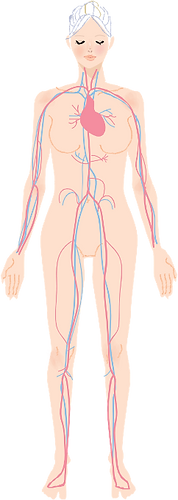
Stem Cell Effects
Brain
Cerebral hemorrhage, cerebral infarction, spinal cord injury
Sexual function
Sexual dysfunction
Heart and blood vessels
Myocardial infarction Arteriosclerosis
Diabetes
High blood sugar, high hemoglobin
Aging
Menopausal disorders, etc.
Kidneys Liver
Chronic nephritis, hepatitis, liver cirrhosis
Lung
Respiratory Distress Syndrome Pulmonary Fibrosis
Immunity
Inflammatory bowel disease Rheumatoid arthritis
Joint pain
Chronic back pain, postoperative complications, osteoarthritis
Stem cell action tissue
• Skin regeneration
• Vascular regeneration
• Hair regrowth
• Tissue regeneration
• Anti-inflammatory effect
• Immune regulation
• Reduce fatigue
• Antioxidant effect
Autologous stem cell therapy targets
• Arthritis
• Menopausal symptoms
• Osteoporosis
• Enlarged prostate
• Erectile dysfunction
• Hair loss/androgenetic alopecia (AGA)
• Anti-aging of skin (wrinkles, sagging skin, imperfections)
• Skin injuries
• Impaired skin function (dryness/irritation)
• Pox scars
Skin Wound
Wrinkles, Skin Sagging,
Atopic Dermatitis, Burns
Prevention/detection/treatment of incurable diseases
• Specific dermatitis
• Graft-versus-host disease
• Liver disease
• Rheumatoid arthritis
• Angina pectoris
• Muscle injury
• Primary biliary cirrhosis
• Bone defects
• Palmoplantar pustular disease
• Myocardial infarction
• Periodontal disease
• COVID-19 infection
• Aftereffects of coronavirus infection
• Systemic lupus erythematosus
• Spinal cord injury
• Multiple sclerosis
• Hypoxic encephalopathy
• Diabetes
• Arteriosclerosis
• Poor fracture fixation
• Urinary incontinence
• After breast cancer surgery (breast reconstruction)
• Cerebral infarction
• Cerebral contusion
• Amyotrophic lateral sclerosis (ALS)
• Vitiligo disease
• Emphysema
• Pulmonary fibrosis
• Parkinson's disease
• Knee arthritis
• Poliomyelitis
• Peripheral nerve disease
• Chronic pain
• Peripheral arterial disease
• Chronic kidney disease
• COPD
AESTHETIC MEDICAL TREATMENT
Aesthetic Medical Treatment

Reasons for taking treatment in Japan
Medical Cosmetology Maintaining Beauty
Japanese doctors advocate early cosmetic surgery, using scientific methods to maintain youthful appearance.
Restore original beauty
Unlike other countries, Japanese cosmetic medicine places emphasis on recreating the individual self and preserving individuality. It rejects an assembly-line approach and provides treatments tailored to the needs and characteristics of each individual. This allows attention to detail and allows each individual's beauty to shine.
Specializing in East Asians
Japanese cosmetic medical treatments are more suited to the genetic characteristics and aesthetic values of East Asians, which is why Japan has become the first choice for Chinese cosmetic medical treatments.
Aesthetic Medical Treatment Flow
Specialized support
In-Japan consultation or online consultation
Treatment reservation
Priority reservation rights within one week
Interpreter accompanies
One-on-one dedicated interpreter
Postoperative follow-up
Responding to questions courteously

